

Dry Needling
What is Dry Needling?
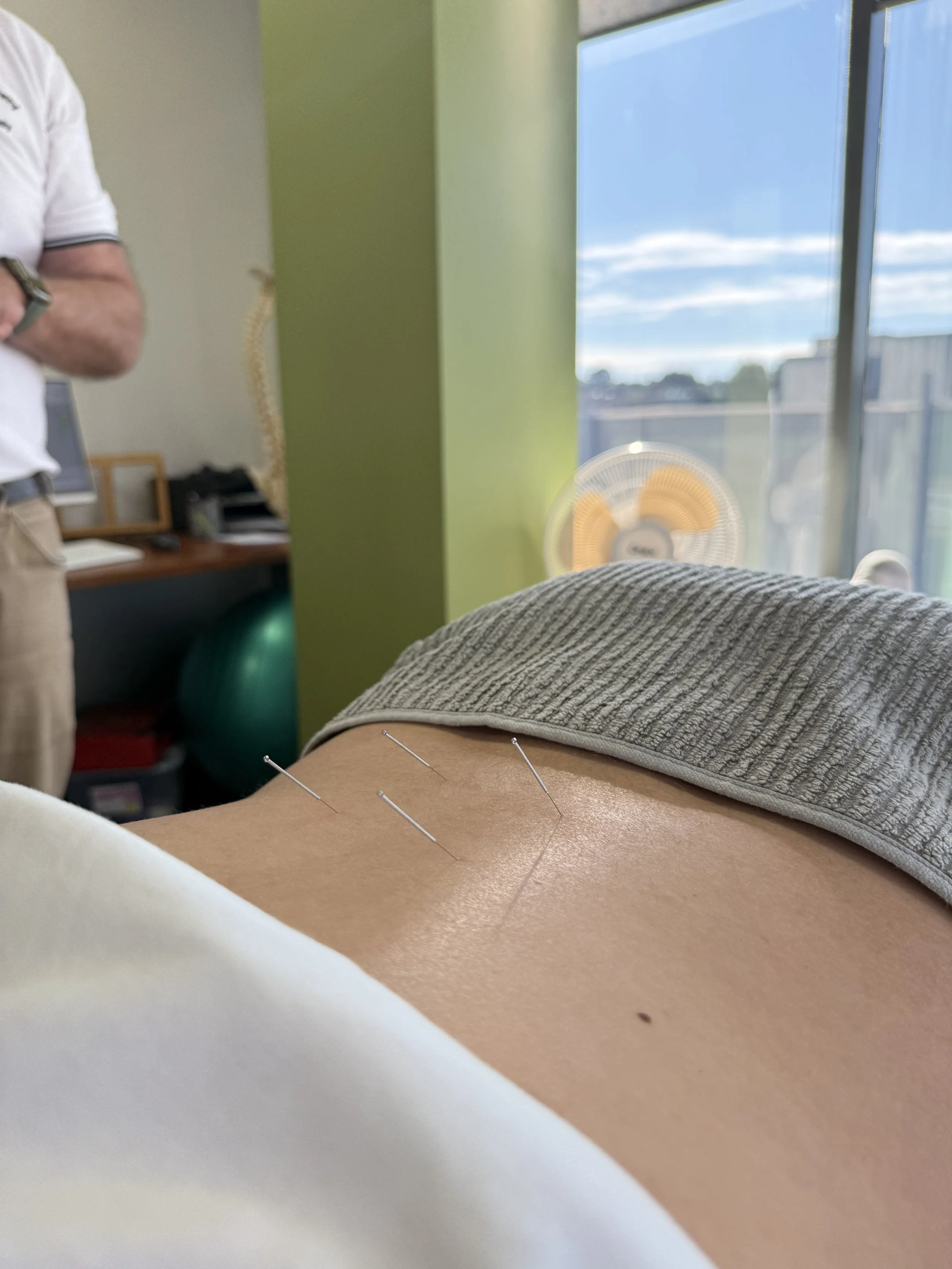
Dry needling is a treatment technique that uses fine, sterile, single-use needles inserted into selected areas of muscle and soft tissue.
At Gisborne Osteopathy, dry needling may be incorporated as part of a broader osteopathic treatment and management plan where clinically appropriate.
Your osteopath will assess your presentation and discuss whether dry needling is a suitable option for you before treatment.
How does Dry Needling differ from Acupuncture?
Although dry needling and acupuncture may use similar fine needles, the two approaches are based on different clinical frameworks.
Dry needling is generally incorporated into a musculoskeletal assessment and management approach and is informed by anatomy, physiology and the practitioner's clinical findings.
Acupuncture is associated with Chinese medicine and uses a different framework for assessment and treatment.
How may Dry Needling be used?
Based on your assessment, your osteopath may use dry needling to target selected muscles or areas of soft tissue relevant to your presentation.
Dry needling may be considered as part of the management of some musculoskeletal presentations involving pain, muscle sensitivity or altered movement.
It is commonly incorporated alongside other management approaches such as hands-on treatment, movement and exercise advice, rather than being used as a standalone treatment.
What should I expect during Dry Needling?
Your osteopath will explain the proposed treatment and discuss its suitability with you before dry needling is performed.
Fine, sterile, single-use needles are inserted into selected areas based on your assessment. The number of needles used and the length of time they remain in place may vary depending on the treatment approach and your presentation.
Sensations experienced during dry needling vary between people. You may notice a brief muscle response, pressure or discomfort during treatment.
Your osteopath will monitor your response throughout the treatment and the needles can be removed at any time if required.
What should I know before Dry Needling?
Before treatment, please let your osteopath know about any relevant medical conditions, medications, pregnancy, previous reactions to needles or concerns you may have about dry needling.
Minor effects such as temporary soreness, bruising or small amounts of bleeding can occur following dry needling. Your practitioner will discuss relevant risks and answer any questions before treatment.
Ready to book an appointment?
Choose your practitioner and a time that suits you
Or call (03) 5428 2419